
What I Didn't Carry

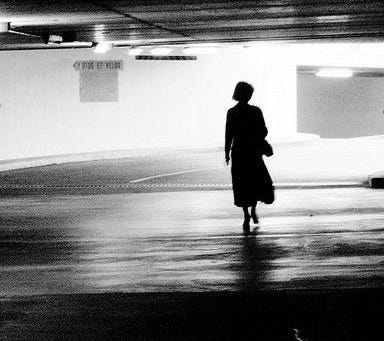
the fluorescent lights hum above everything,
a thin, constant sound
like the place is breathing for us.
I move slowly down the aisle—
not browsing
not searching
just letting my body follow the path
it's learned to take.
my fingers touch the edge of a shelf.
cold metal.
real.
it doesn't react to me,
and i don't ask it to.
people pass with lists in their heads.
dinner plans.
small urgencies.
their carts already know where they're going.
mine drifts.
—
I stop in front of fruit,
rows of color arranged to look alive.
I pick one up,
weigh it in my hand,
put it back in the exact same place
like i was never there.
there's a moment—
small, quiet—
where i realize no one would notice
if i left the store without buying anything,
or if i stayed standing here
until closing.
that thought doesn't scare me.
it settles.
—
at the checkout,
the cashier doesn't look up.
the machine accepts my card without question.
everything works
without needing my attention.
the receipt prints.
longer than necessary.
I fold it carefully,
as if order still matters.
outside, the air feels less managed.
cooler.
unimpressed.
I stand with the bag hanging from my wrist
and understand something plainly:
I wasn't empty because i was alone—
I was empty because i showed up
to a place built for wanting
and brought none with me
I walk home anyway.
The pacing here mirrors that drifting feeling of moving through familiar spaces while feeling disconnected from them. Ordinary moments like standing in a grocery aisle become strangely revealing, especially the realization about wanting and absence. The restraint in the language lets the emotion sit without forcing it, which makes the ending linger. Many people know this state but rarely see it articulated so plainly. It leaves a sense of being witnessed without needing explanation.
I felt like I was there, with you.
You have a gift. Will you notice if I stand here and look at it, or take it with me?